Public Awareness Workshop on Digital Identity Conducted in Dhaalu Kudahuvadhoo
10 September 2026
The second awareness workshop on digital identity and the safe use of
the national digital identity platform eFaas, was conducted in Dh. Kudahuvadhoo
on 9 September 2026 as part of an ongoing series of digital identity awareness
activities under the Digital Maldives for Adaptation, Decentralization and
Diversification (D'MADD) Project. Organized in collaboration with Maldives
Digital Services (MDS), the event marked the second outreach activity in the
series, continuing efforts to promote digital literacy, online safety, and the
adoption of digital government services across communities in the Maldives.

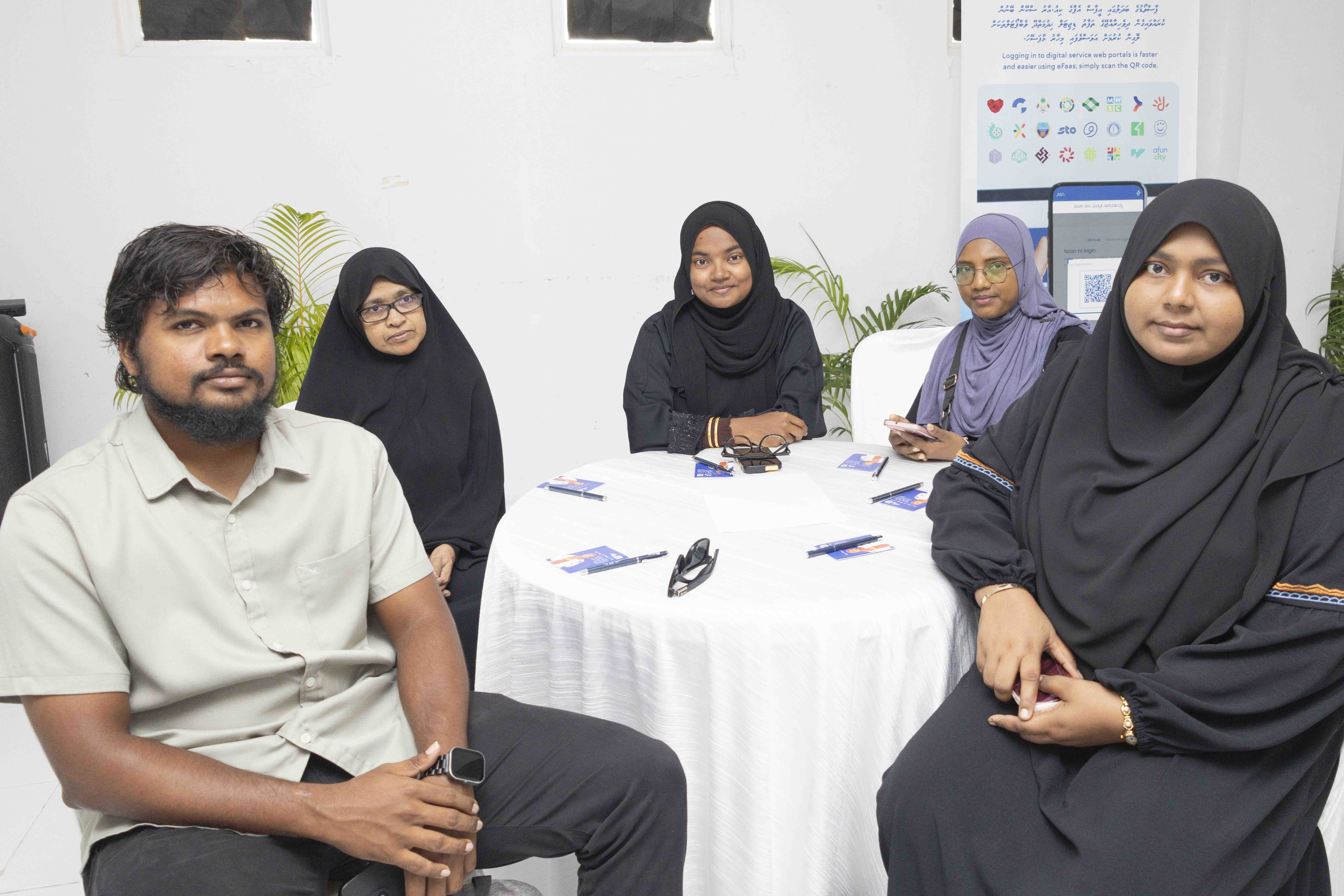
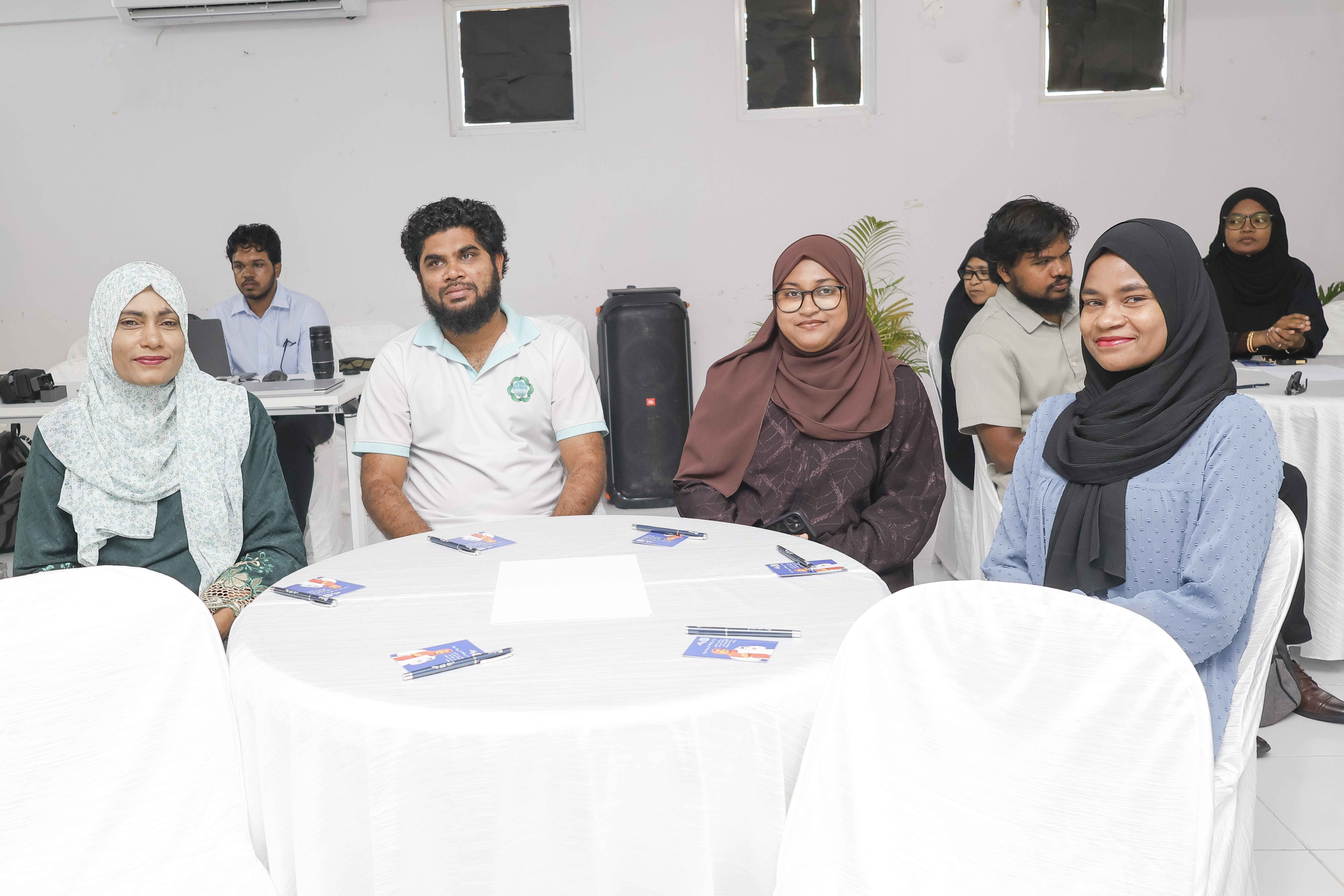
Held at the Dh. Kudahuvadhoo Multi-Purpose Building Library Hall from
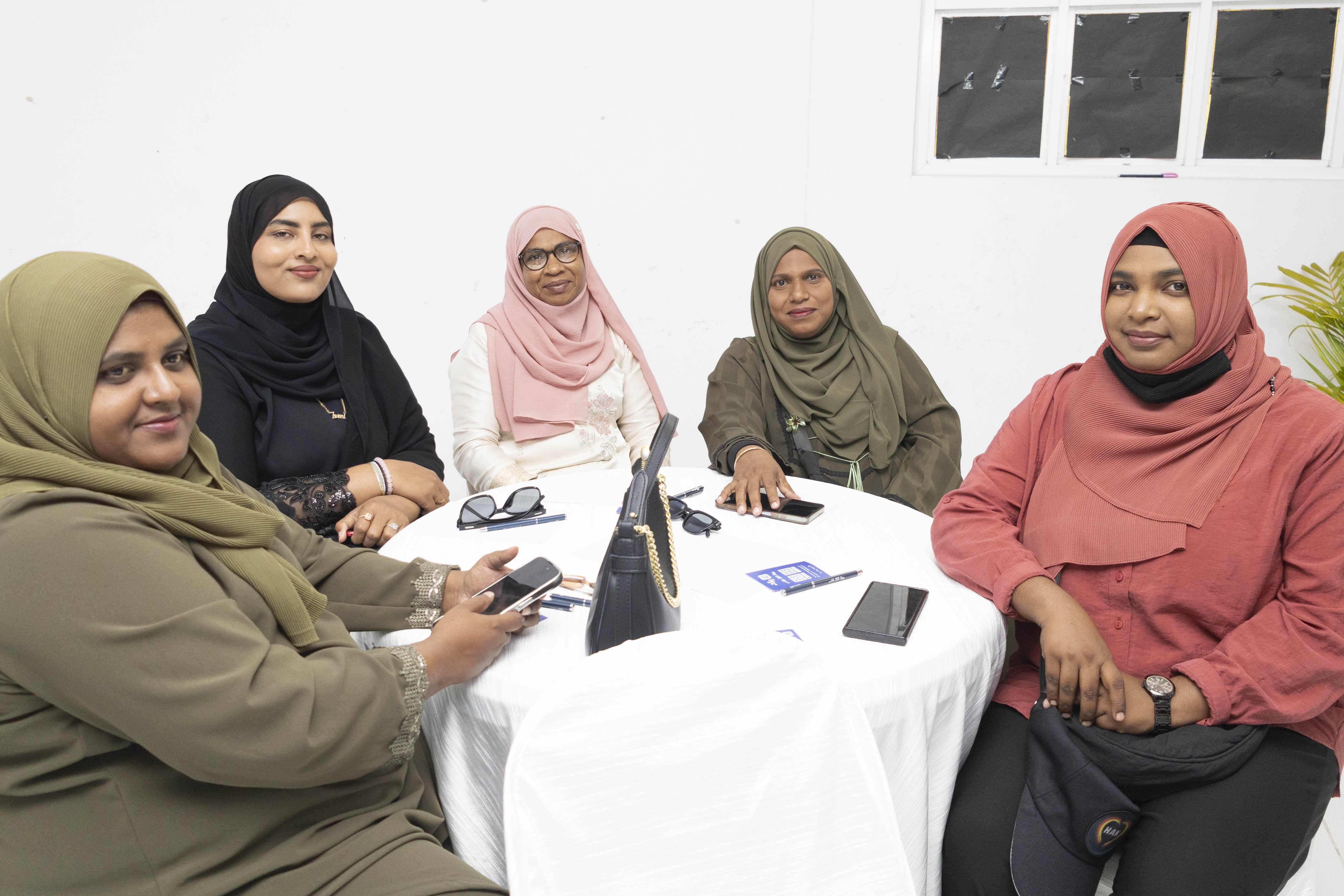
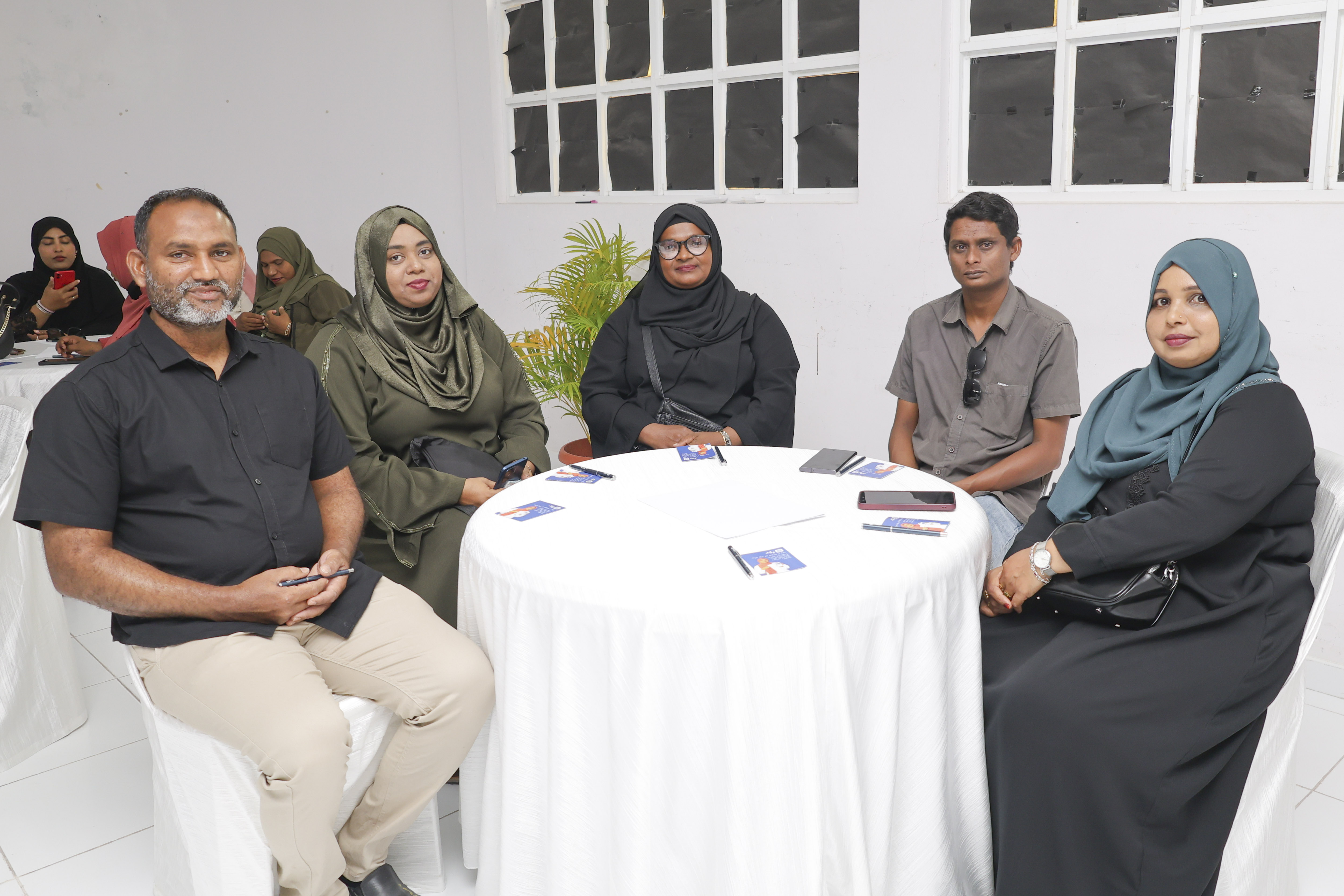
9:00 a.m. to 12:30 p.m., the workshop brought together representatives from
local councils, public institutions, civil society organizations, and service
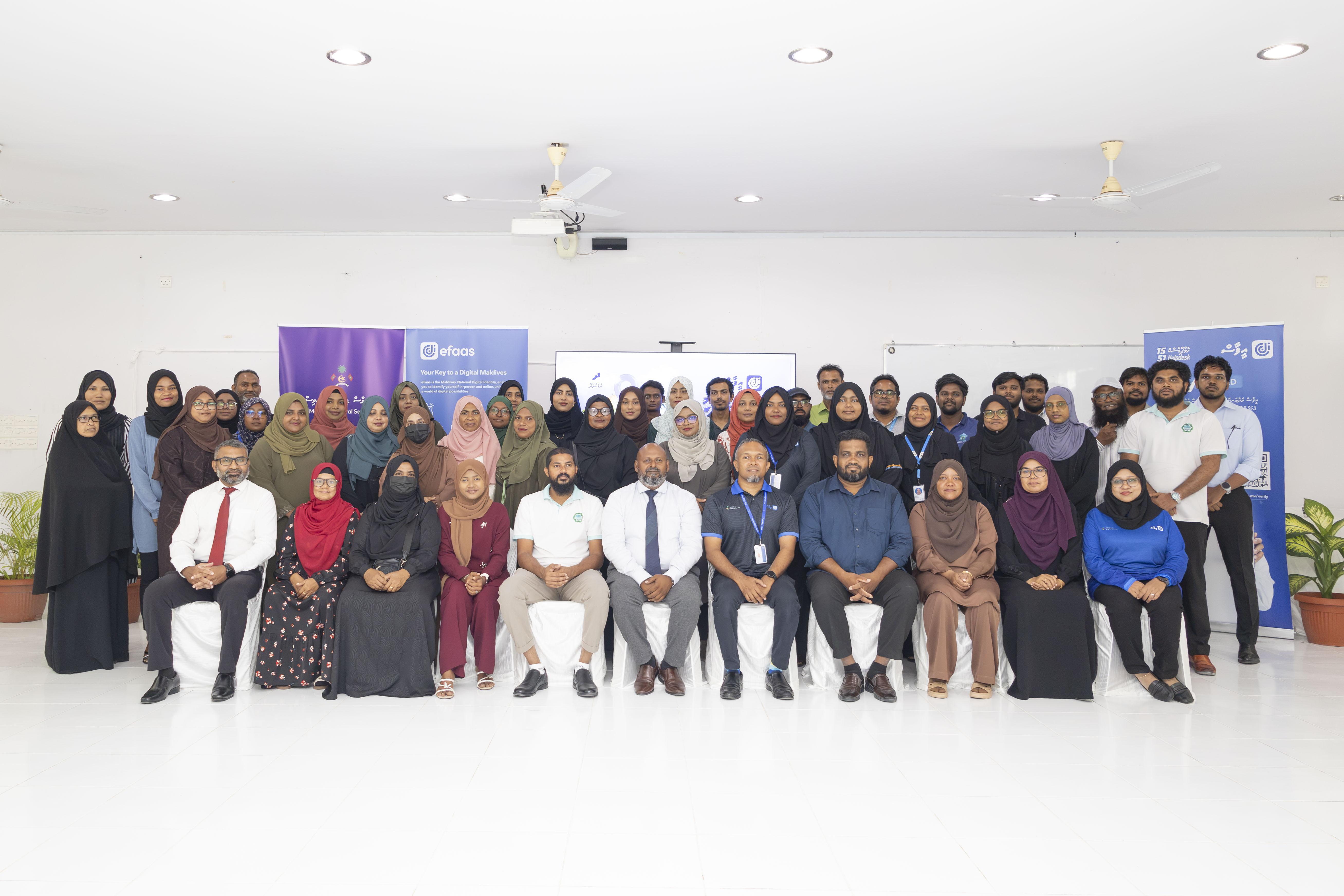
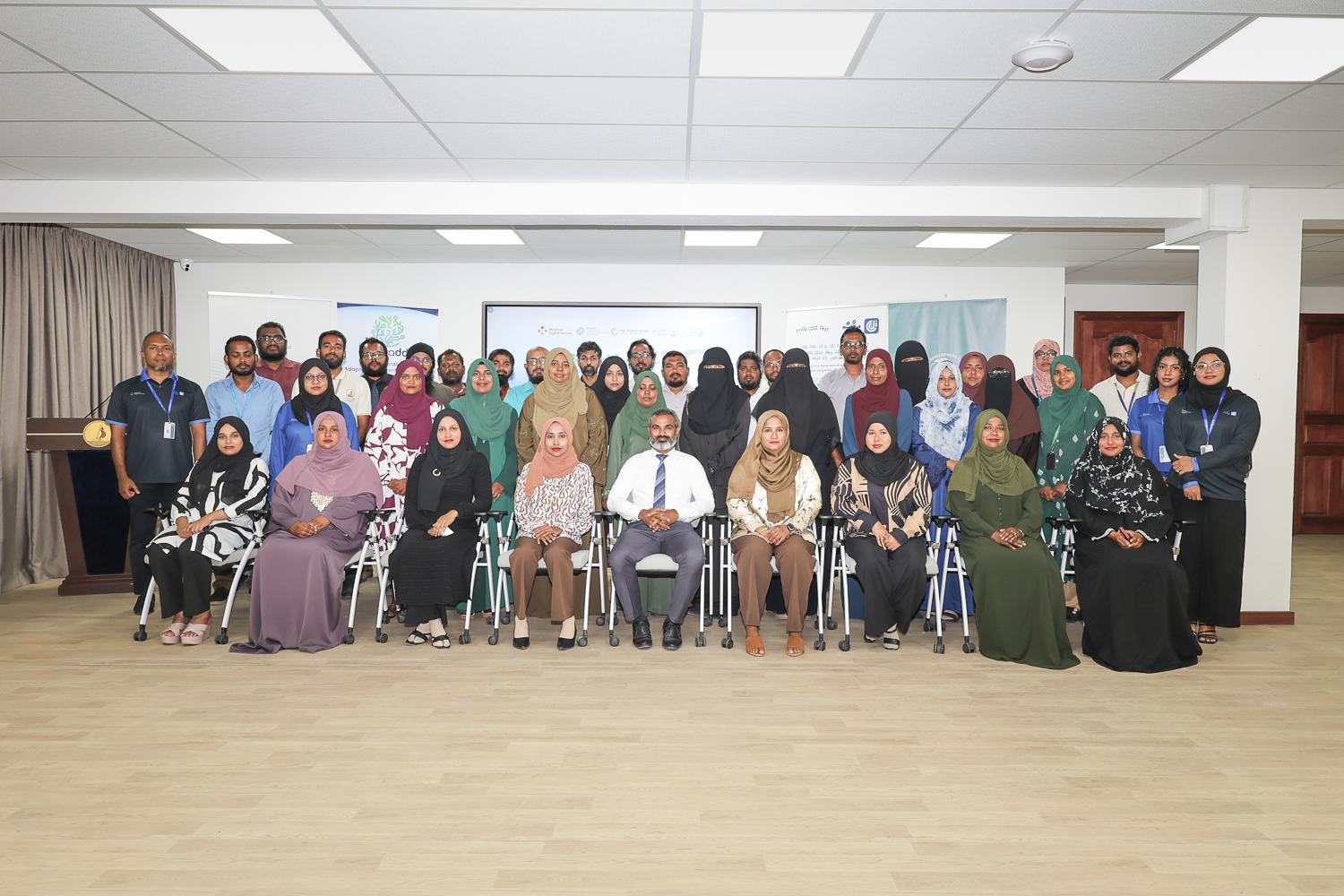
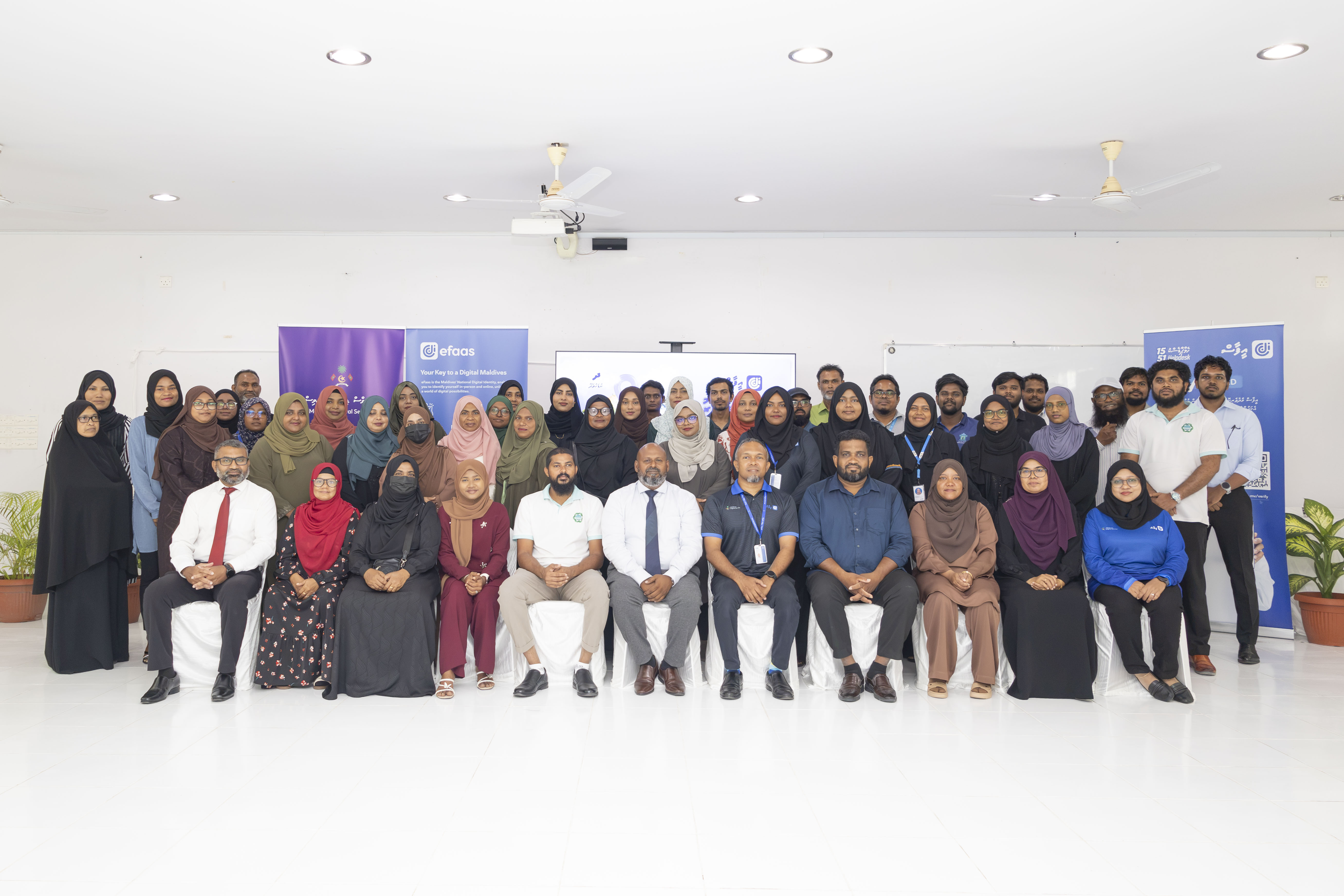
providers across Faafu and Dhaalu Atolls. A total of 49 participants
representing 17 organizations attended the session.
Participating organizations included Dh. Kudahuvadhoo Council, F.
Nilandhoo Council, F. Bilehdhoo Council, F. Magoodhoo Council, F. Feeali
Council, F. Dharanboodhoo Council, Dh. Hulhudheli Council, Dh. Rinbudhoo
Council, Dh. Maaenboodhoo Council, Dh. Meedhoo Council, Dh. Bandidhoo Council,
Dhaalu Atoll Hospital, Dhaalu Atoll Education Centre, Dhaalu Family and
Children Service Centre (FCSC), Business Centre Corporation (BCC) Kudahuvadhoo, Local Government Authority
(LGA) Dhaalu Atoll Office, and the Bank of Maldives.
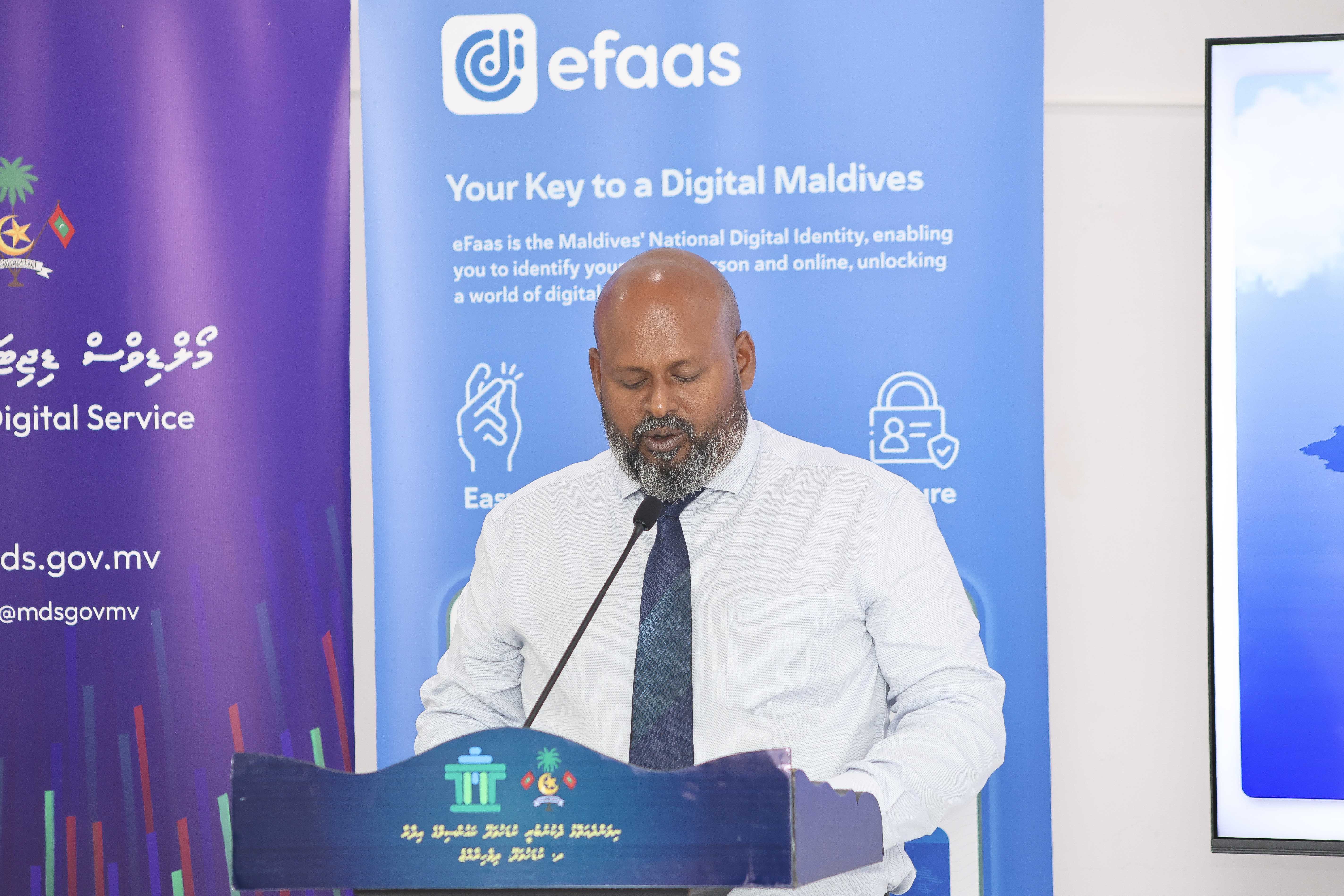
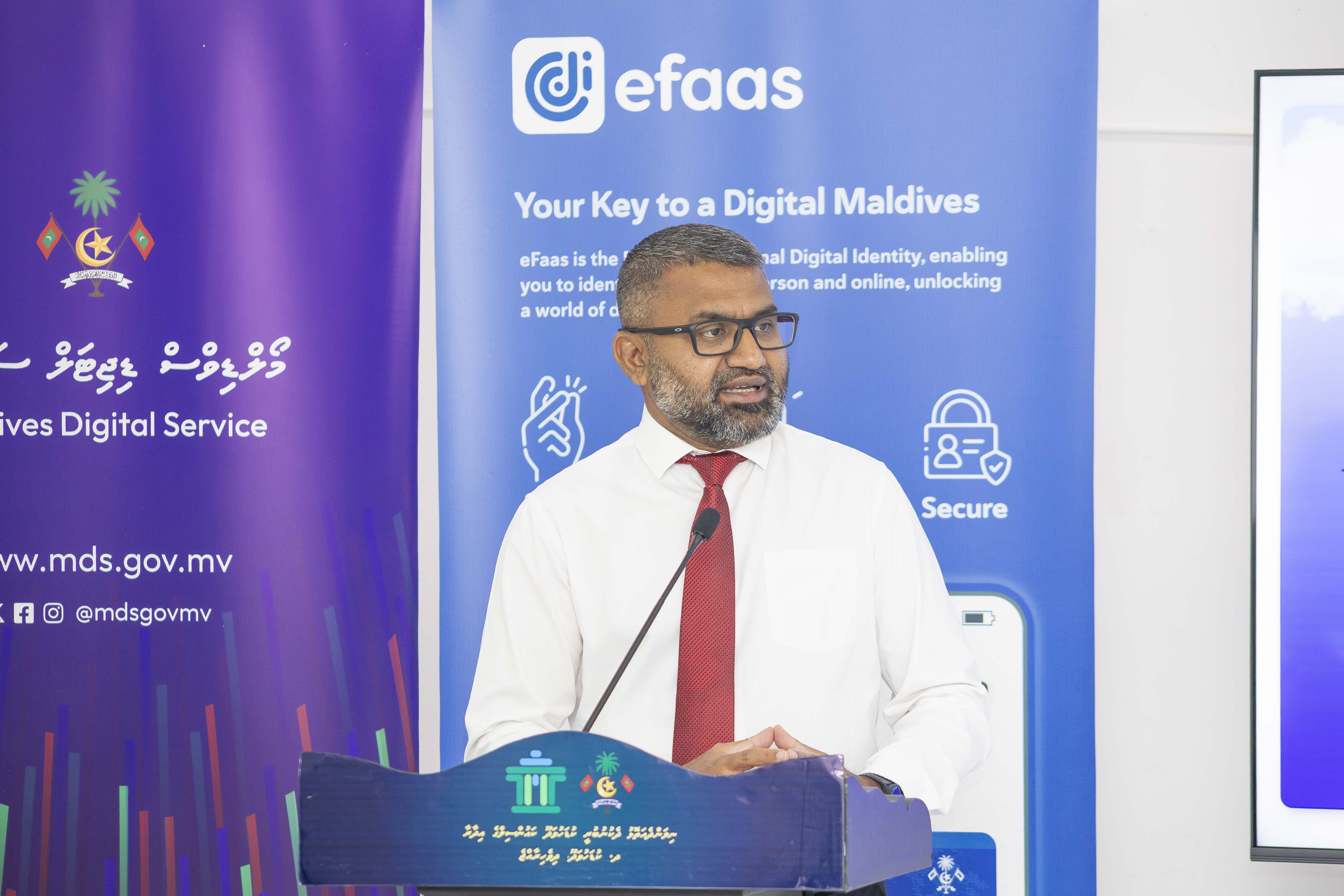
The workshop facilitated by focused on increasing awareness of digital
identity and promoting the safe and responsible use of eFaas. Participants were
introduced to the key features, benefits, and security considerations
associated with digital identity services, while discussions explored the
growing role of digital identity in accessing public services and participating
in the country's digital transformation journey.
The event also provided a valuable opportunity for council
representatives and officials from both Faafu and Dhaalu Atolls to exchange
experiences and strengthen their understanding of digital identity initiatives
being implemented nationwide. The strong participation reflected a growing
commitment among local institutions to support digital inclusion and raise
awareness within their respective communities.