Early Warning Pilot
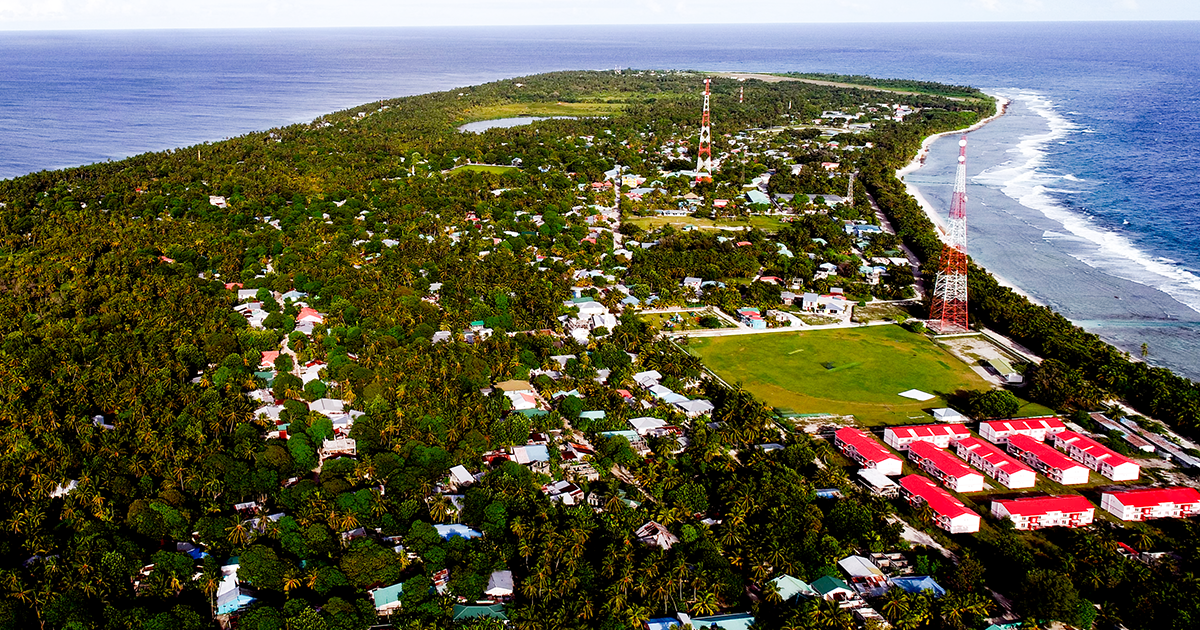
This pilot project is part of the World Bank–funded Digital
Maldives for Adaptation, Decentralization and Diversification (DMADD)
initiative. It focuses on developing a modern Impact-Based Multi-Hazard
Forecasting and Early Warning System (MHEWS) for Fuvahmulah City.
The Maldives faces increasing risks from floods, heavy
rainfall, storms, and sea-level rise. To better protect communities, this
project introduces new digital tools that help predict not only what weather
event will occur, but how it will impact people, homes, and essential services.
The project is being developed in two stages:
- Phase 1: Build and demonstrate a working prototype of the early warning system.
- Phase 2: Customize, expand, and operationalize the system for Fuvahmulah City, with training for local and national agencies.
Working closely with the Maldives Meteorological Service, NDMA, MoTE Water and Sanitation Department, the Local Council, and the World Bank, the project strengthens local preparedness and enables faster, data-driven action during climate-related emergencies.
This pilot will serve as a model that can be scaled up across the Maldives to improve national climate resilience and safeguard vulnerable communities.
Key Features of the Early Warning System
- Real-time forecasting and monitoring of multiple hazards, including flooding and extreme weather events.
- Impact-based alerting, tailored to community risk profiles.
- Multi-agency collaboration platform, supporting coordinated responses between the Maldives Meteorological Service (MMS), the National Disaster Management Agency (NDMA), the Water Department from the Ministry of Tourism and Environment (MoTE), and the Fuvahmulah City Council.
- Community engagement and preparedness.
- Scalability, designed to extend to other atolls as part of the national early warning strategy