National Data Sharing Program Design Labs Strengthen Cross-Agency Data Readiness for Priority Use Cases
17 July 2026
The Digital Maldives for
Adaptation, Decentralization and Diversification (D’MADD) Project conducted the
National Data Sharing Program’s Use Case Data Readiness Design Labs from 14th
to 16th July 2026 at Maagiri Hotel, Malé, bringing together
government stakeholders to strengthen data readiness for priority social,
health, and environmental use cases.
The three-day Design Labs were
organized to support the implementation of the National Data Sharing Program by
helping agencies examine the datasets, governance roles, institutional
responsibilities, and practical next steps required to advance priority use
cases toward implementation.
The sessions focused on three use
cases reflecting the broader national direction of the data sharing program:
improving social outcomes, enabling better access to health records, and
strengthening environmental and marine ecosystem monitoring. Each use case was
examined through the lens of data readiness, covering source-of-truth issues,
metadata, data quality, access controls, stewardship, ownership, and
cross-agency coordination.
Use Case 1: Enhancing Social Outcomes for Vulnerable Populations
The first Design Lab focused on
how improved data readiness can support the delivery of social assistance and
services for vulnerable populations. Stakeholders examined how data from social
protection, health, registration, statistics, pension, and related systems can
be better coordinated to enable more accurate targeting, improved service
delivery, and reduced duplication.
Use Case 2: Empowering Patients with Their Health Records
The second Design Lab, held on 15
July, focused on the health sector and explored how secure, well-governed data
sharing can support patients’ access to their own health records. Discussions
addressed the importance of continuity of care, health information governance,
patient rights, data classification, access controls, and coordination among
relevant health, insurance, registration, and digital service stakeholders.
Use Case 3: Monitoring Corals and Marine Ecosystems
The final Design Lab focused on
the use of environmental and marine data to monitor corals and marine
ecosystems. Stakeholders explored how reliable, machine-readable, and
well-governed data can support coral reef monitoring, environmental impact
assessments, conservation efforts, and evidence-based decision-making for
ecosystem resilience.
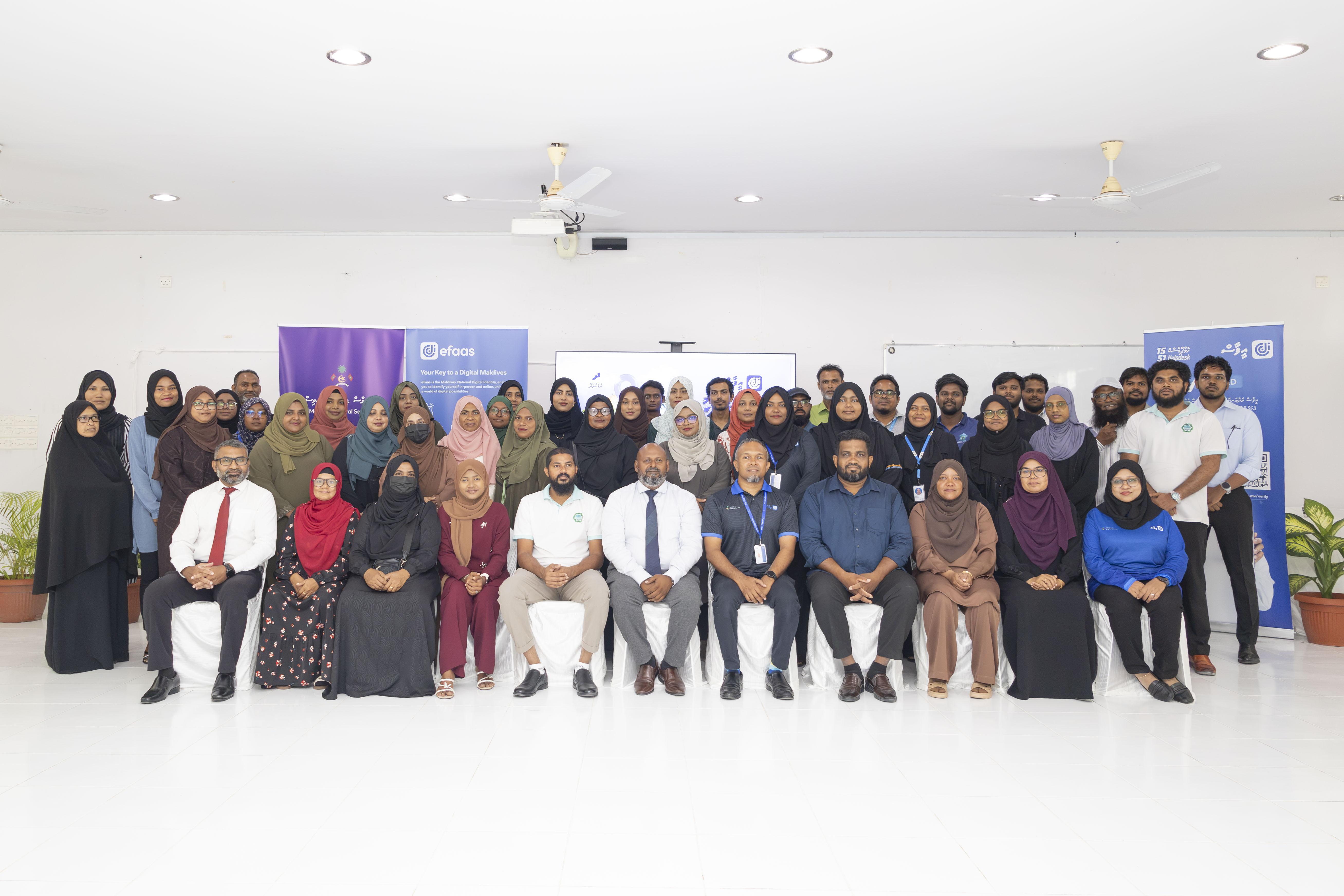
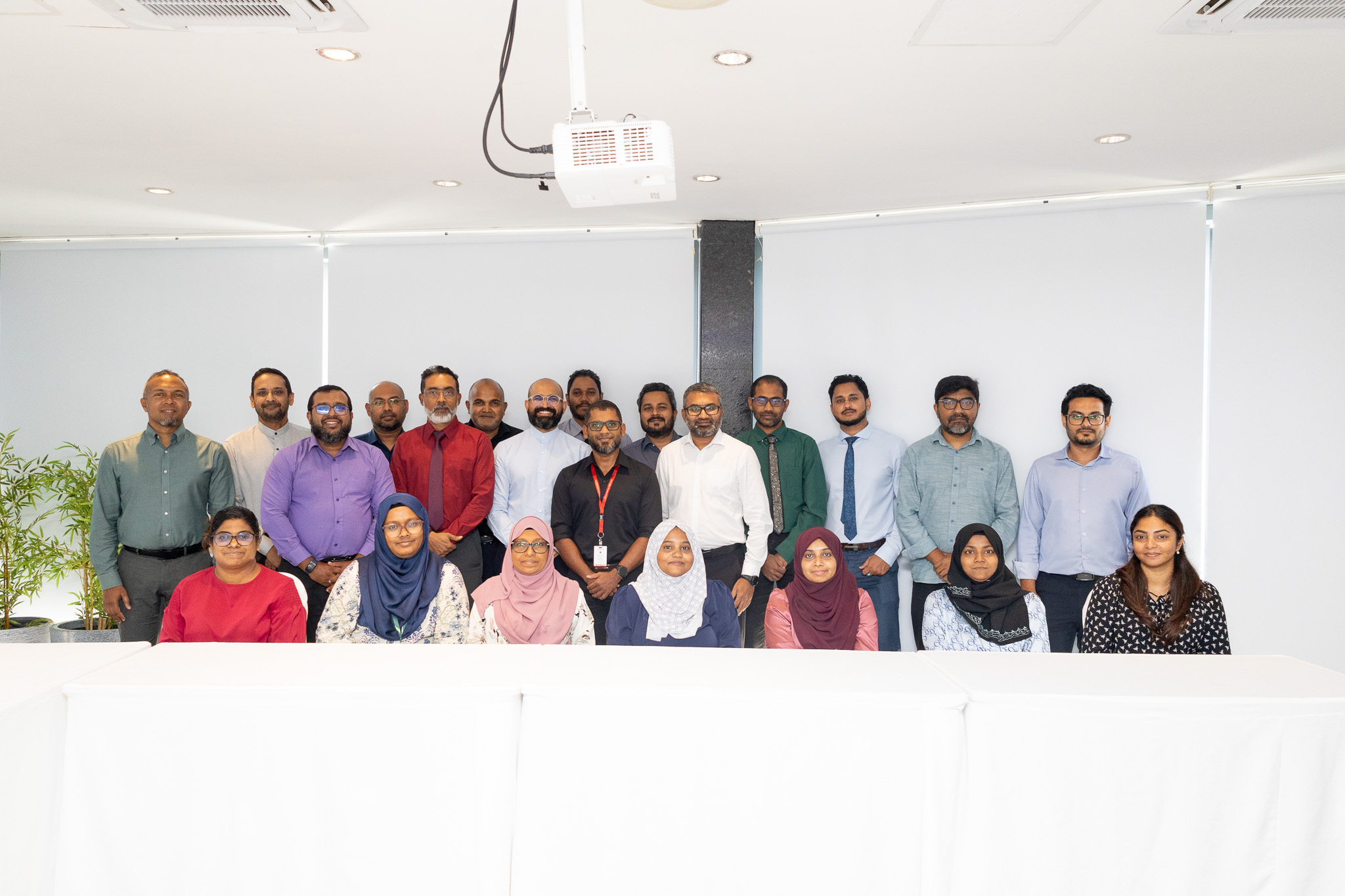
The Design Labs brought together stakeholders from across government
and related institutions, including representatives from Maldives Digital Service,
Ministry of Climate change, Environment and Energy, Ministry of Health and Family,
Department of National Registration, Maldives Bureau of Statistics, Maldives
Pension Administration Office, Environmental Regulatory Authority, Maldives Marine
Research Institute, MINDCO, Aasandha Company Pvt Ltd, National Social Protection
Agency (NSPA) and Ministry of Tourism and Civil Aviation. This cross-agency
participation underscores the importance of collaboration in building a trusted
and effective national data sharing ecosystem.
The D’MADD Project supports the
Maldives’ wider digital transformation agenda by strengthening digital
infrastructure, improving public service delivery, and enabling the responsible
use of data and analytics. Through the National Data Sharing Program, the
project aims to help establish the governance, standards, and technical
foundations needed for secure, interoperable, and sustainable data sharing
across government.
The outcomes of the Design Labs
are expected to inform the next stage of work under the National Data Sharing
Program, including the clarification of priority datasets, governance
responsibilities, interoperability requirements, and practical action points
for each use case.