Maldives Digital Summit 2026 Concludes with National Commitments to Advance Maldives 2.0
29 April 2026
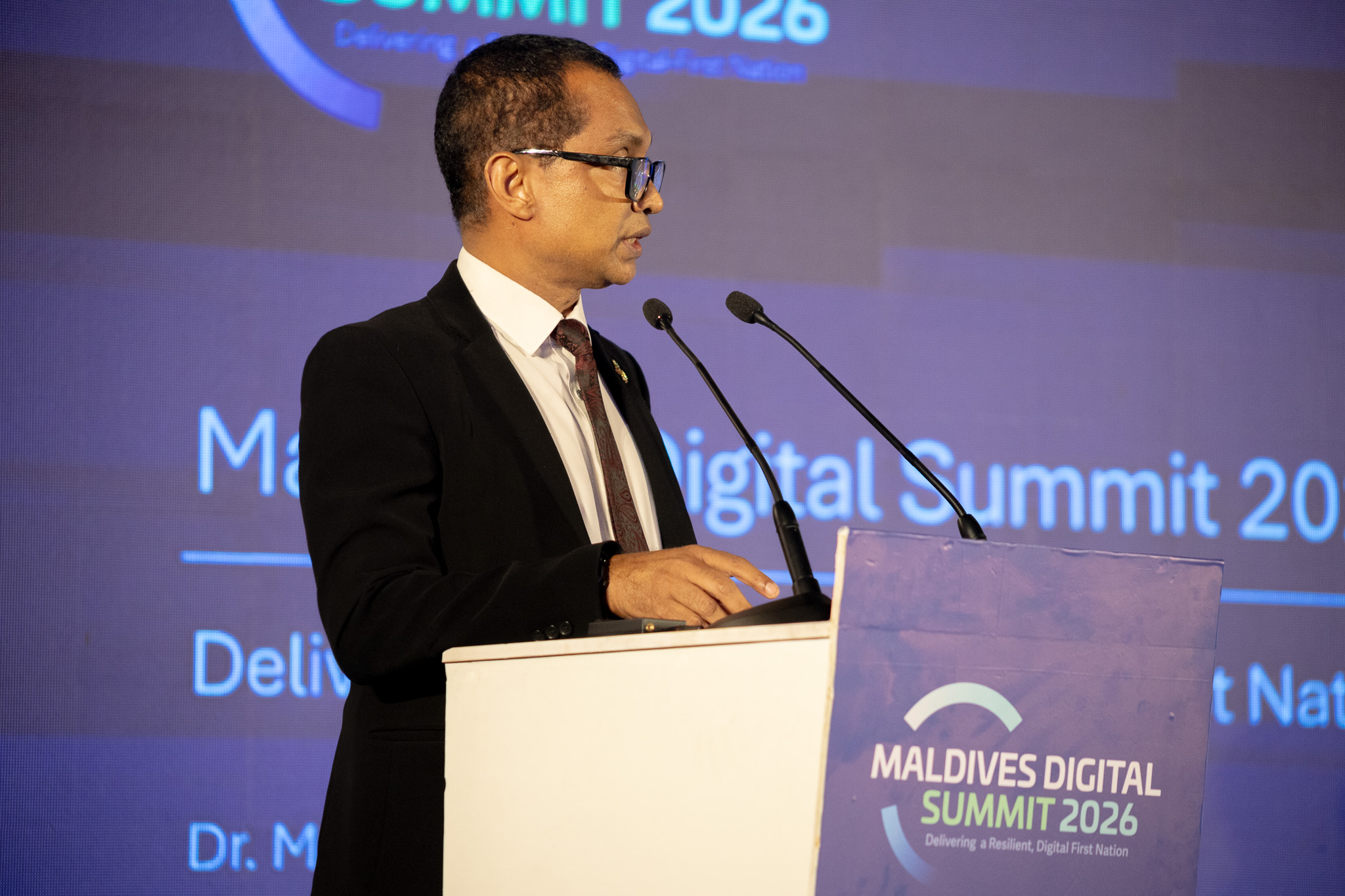
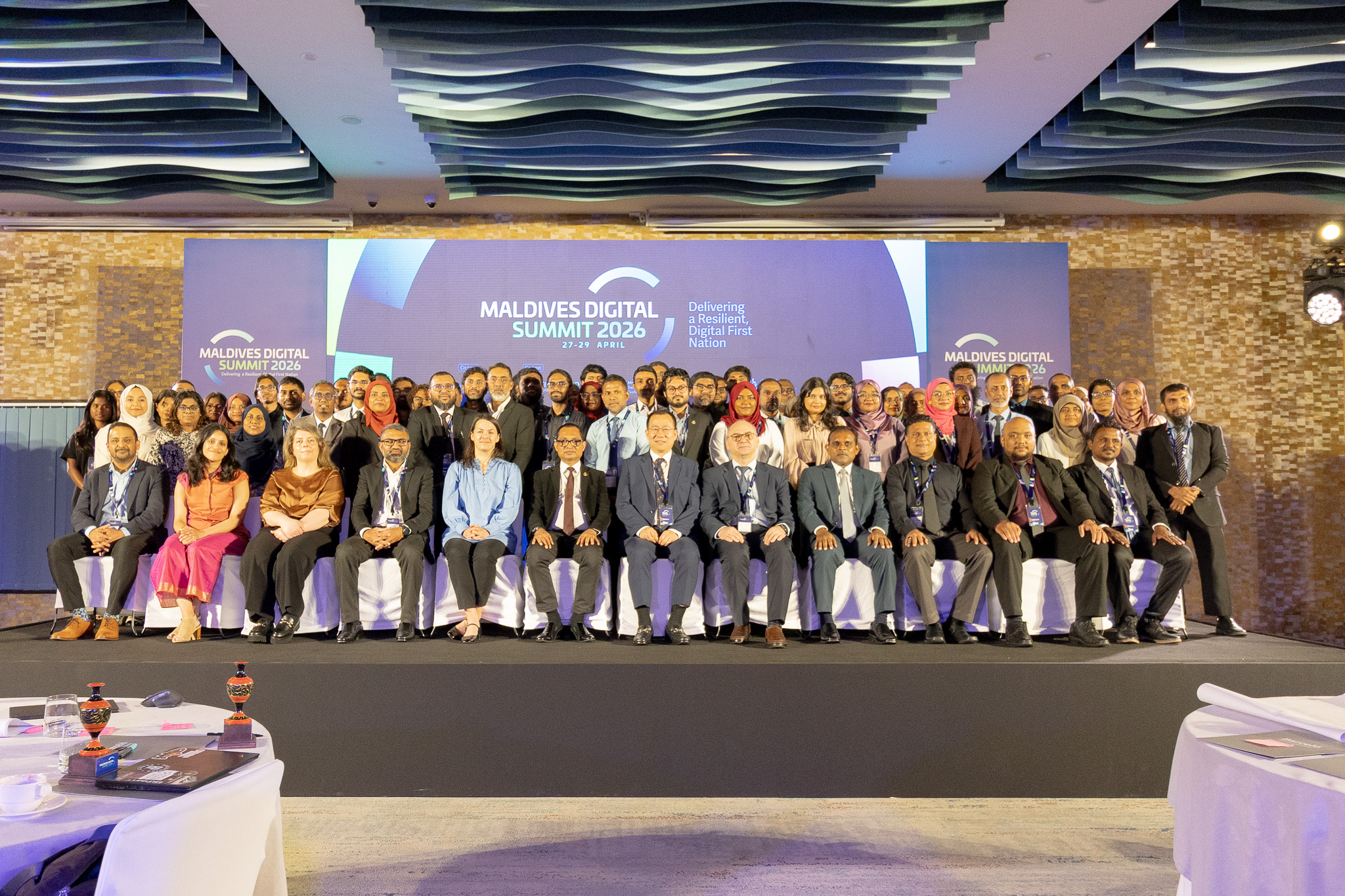
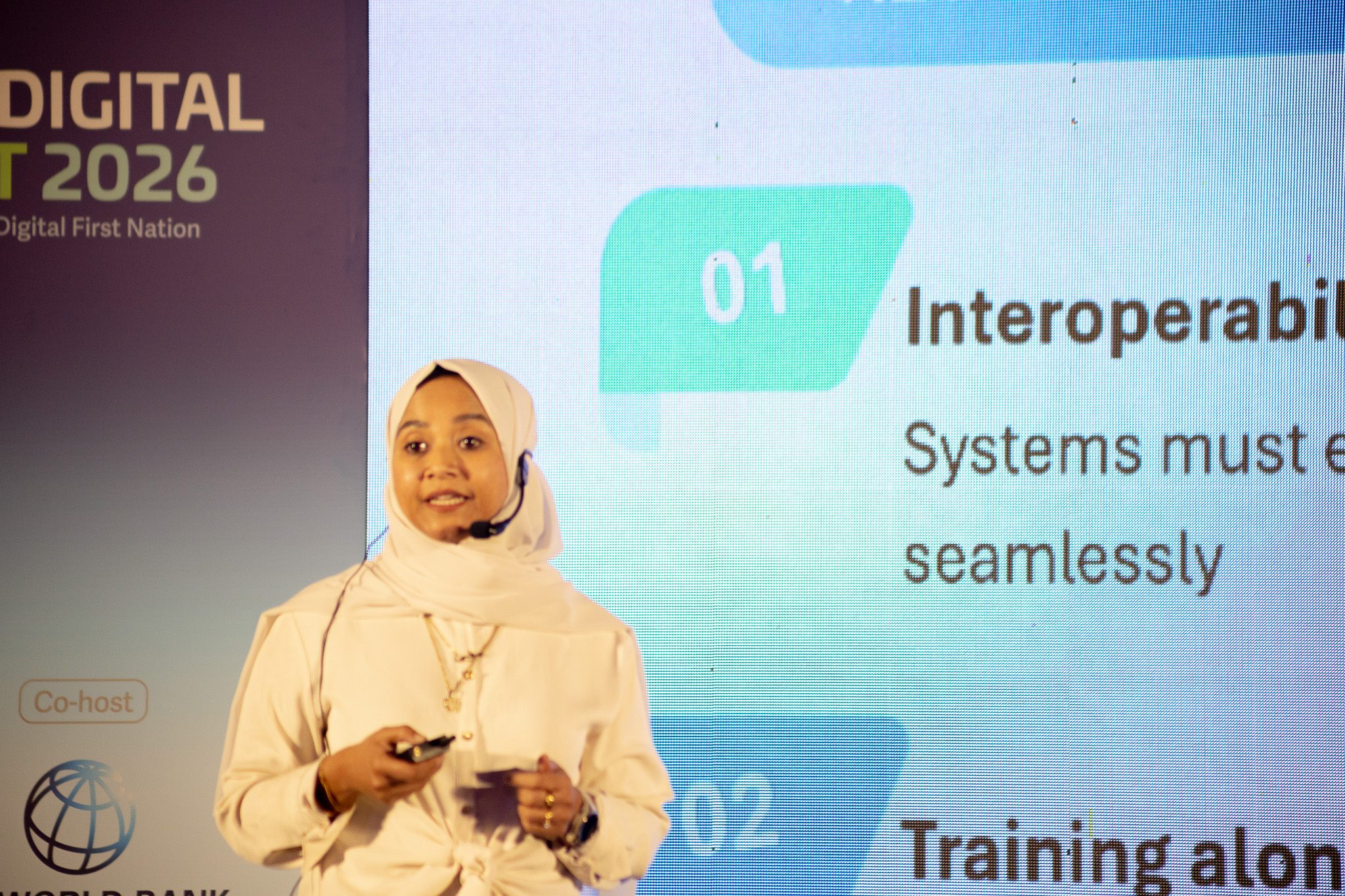
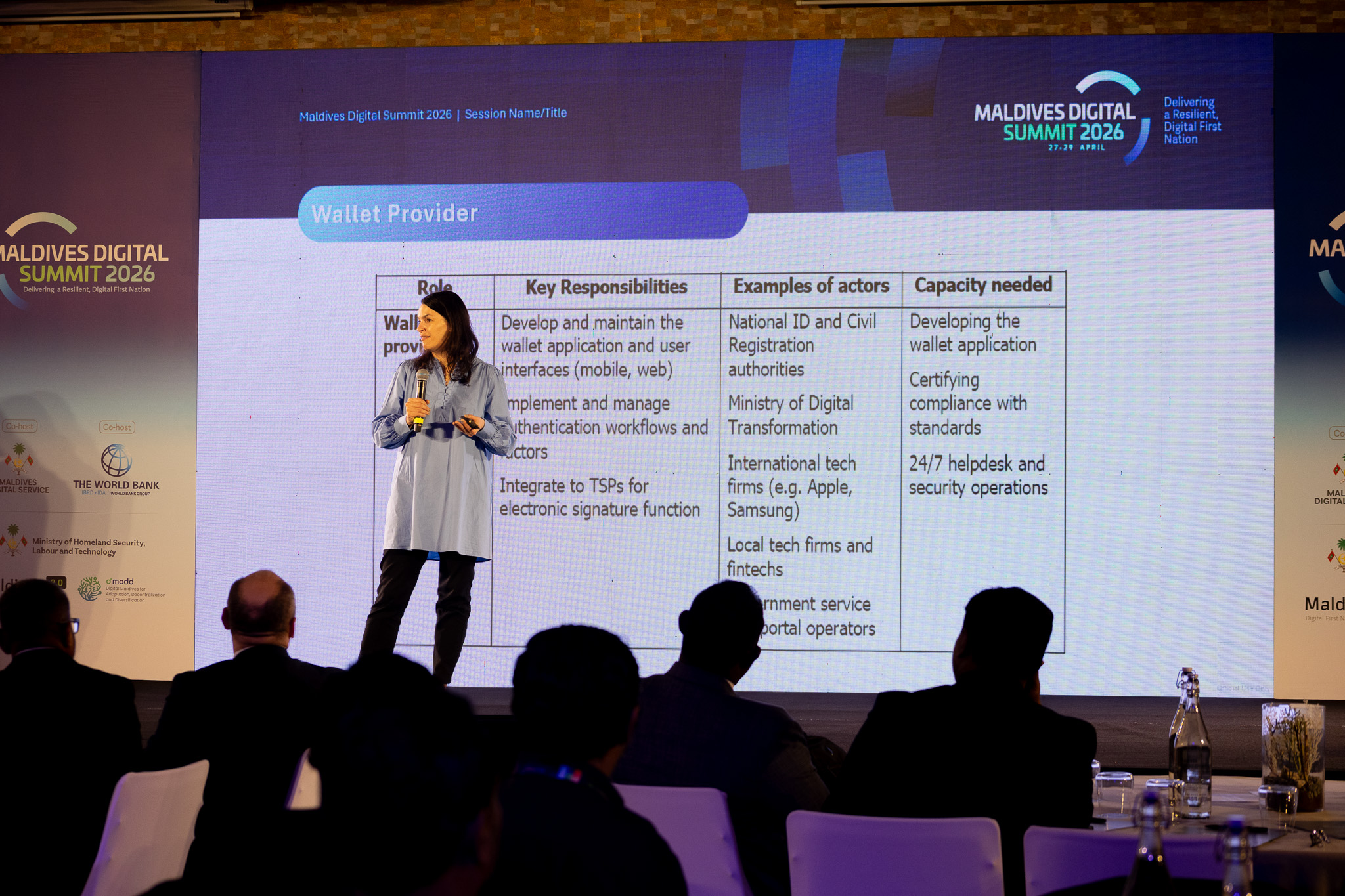
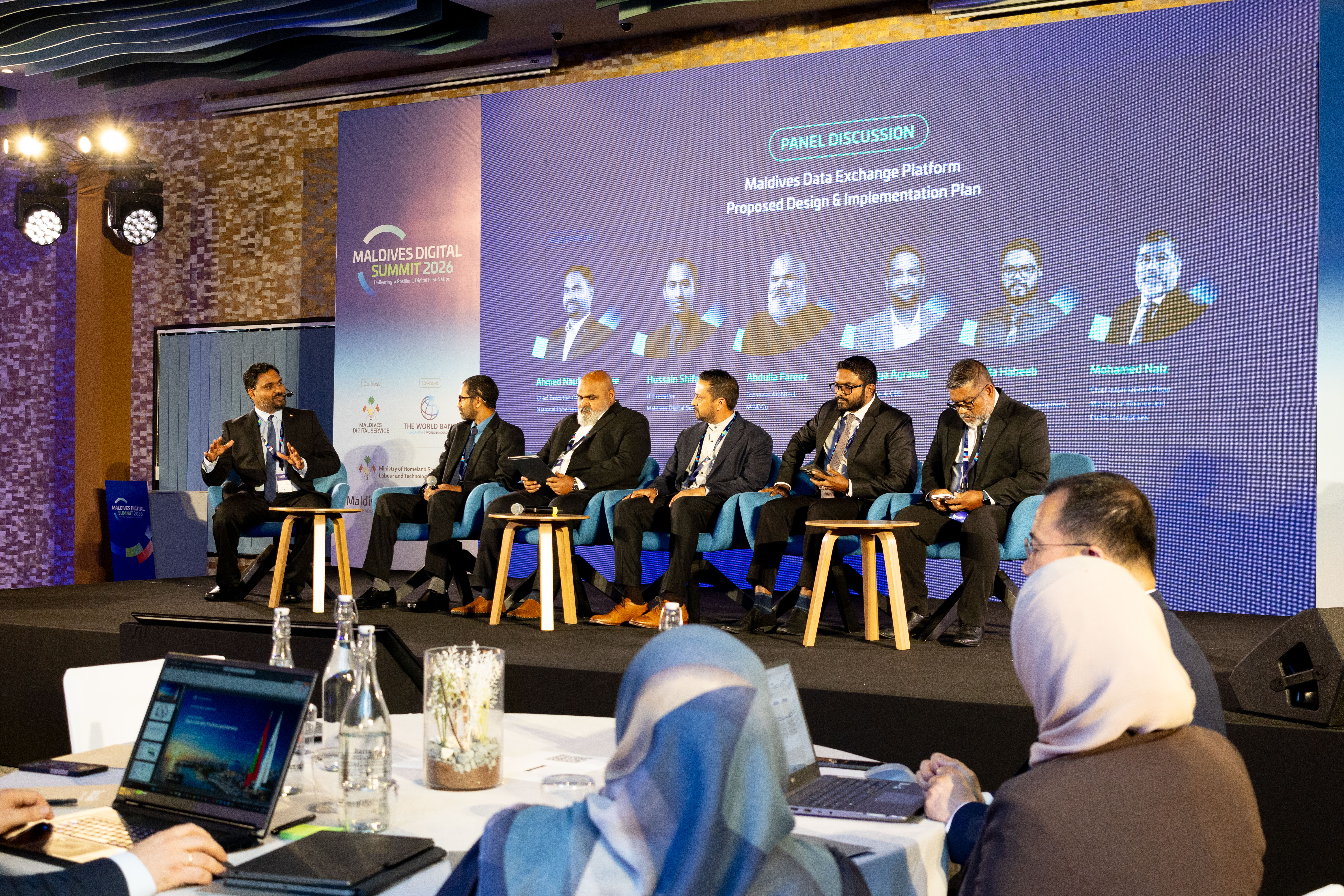
The Maldives Digital Summit 2026
concluded after three days of strategic discussions, technical workshops, and
collaborative dialogue focused on accelerating the Maldives 2.0 digital
transformation agenda. Jointly convened by the Maldives Digital Service (MDS)
and the World Bank, the summit brought together government institutions,
international experts, Digital Transformation Officers (DTOs), development
partners, and private sector stakeholders to strengthen the nation’s vision for
a resilient, inclusive, and digital-first Maldives.
The summit combined high-level policy
discussions with technical deep dives on service design, cybersecurity, data
governance, digital public infrastructure, and emerging technologies. Day 2 and
Day 3 workshops focused particularly on practical implementation, including
citizen-centric service delivery, operationalising the Maldives Data Exchange
(MDX), cybersecurity readiness, and strengthening interoperability across
government systems.
At the closing session, Minister of
State for Homeland Security, Labour and Technology, Dr. Mohamed Kinaanath
presented a series of national commitments developed from the outcomes and
recommendations of the summit. The commitments outline the government’s
strategic direction for the next phase of Maldives 2.0 implementation.
The key commitments include
strengthening governance, legislation, and institutional coordination to enable
a whole-of-government approach to digital transformation; improving public
services to become more accessible, efficient, and citizen-centred; and
ensuring digital inclusion and equity for all citizens, including vulnerable
groups and underrepresented communities.
Additional commitments focused on
enabling secure and interoperable data systems through initiatives such as the
Maldives Data Exchange (MDX), strengthening cybersecurity capabilities and
cyber resilience, and promoting the responsible and ethical use of emerging
technologies such as Artificial Intelligence to enhance governance and service
delivery.
The government also reaffirmed its
commitment to strengthening Digital Public Infrastructure, including
foundational systems such as digital identity (eFaas), digital wallets, and
Civil Registration and Vital Statistics (CRVS), while investing in digital
skills, institutional capacity-building, and partnerships across government,
private sector, and international stakeholders.
Importantly, the summit concluded with
a commitment to move “from vision to action” through the implementation of
time-bound action plans with clear priorities and measurable outcomes over the
next 12 to 18 months. These commitments collectively reflect a coordinated
national effort to build a digitally empowered Maldives driven by
implementation, collaboration, and measurable impact.
In his closing remarks, Minister of
State for Homeland Security, Labour and Technology, Dr. Mohamed Kinaanath underscored the
importance of stronger collaboration and coordination among organizations
operating within the digital services sector. He noted that greater cooperation
is essential for the efficient use of resources, the sharing of expertise, and
the successful advancement of the country’s digital transformation agenda. He
further emphasized that a connected and collaborative digital ecosystem would
enable institutions to deliver more effective, accessible, and responsive
public services.
Dr. Kinaanath also highlighted several
important developments currently underway in the country’s digital landscape,
including the submission of the Digital ID Bill to Parliament, which he
described as a significant milestone in strengthening digital governance and
improving public service delivery. He stated that such initiatives demonstrate
the government’s continued commitment to modernising national systems and
embracing innovation to better serve citizens.
Concluding his remarks, the State
Minister expressed appreciation to the President for his leadership and
forward-looking Maldives 2.0 vision, acknowledging the administration’s ongoing
efforts to drive technological advancement, innovation, and digital development
across the Maldives.
The Maldives Digital Summit 2026
ultimately served as a platform that united national priorities, international
expertise, and local technical knowledge to advance the Maldives 2.0 agenda.
The summit reaffirmed the government’s commitment to building a secure,
inclusive, and resilient digital future that strengthens public services,
institutional coordination, and national digital capability. Moving forward,
continued leadership, cross-government collaboration, and sustained partner
engagement will remain critical in translating these commitments into tangible
outcomes for the people of the Maldives.