Maldives Digital Summit 2026 Concludes with Technical Workshops on Service Design and Data Exchange
29 April 2026
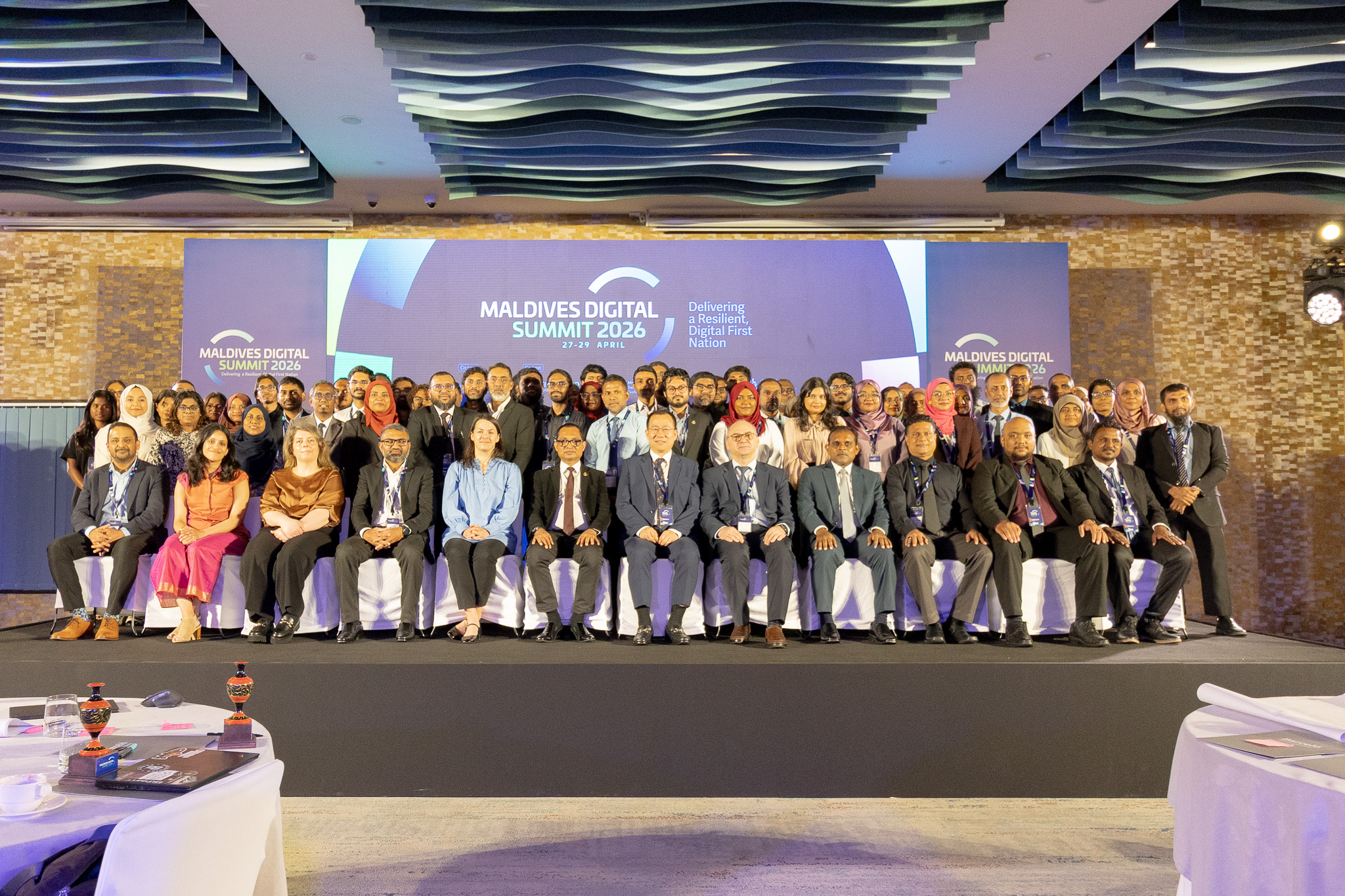
The Maldives Digital Summit 2026
concluded on 29th April 2026, after three days of high-level
discussions, technical workshops, and collaborative dialogue focused on
advancing the Maldives 2.0 digital transformation agenda. Jointly convened by
the Maldives Digital Service (MDS) and the World Bank, the summit brought together 134 participants from
50 organizations consisting of government institutions, international
experts, development partners, Digital Transformation Officers (DTOs), and
private sector stakeholders under the theme “Delivering a Resilient,
Digital-First Nation.”
Following the opening summit on 27th
April 2026, which focused on national vision, global lessons, and strategic
priorities for digital government, Days 2 and 3 shifted toward practical
implementation and technical deep dives aimed at translating strategy into
action. The workshops explored service design, data exchange, cybersecurity,
digital infrastructure, and operational planning for the Maldives Data Exchange
Platform (MDX).
Day 2 of the summit focused on
“Technical Deep Dives – Service Design and Data Exchange,” with sessions
dedicated to practical approaches for designing citizen-centred digital
services and strengthening secure government-wide data sharing. Participants engaged
in interactive workshops on service mapping, identifying user pain points, and
designing seamless end-to-end digital experiences to improve public service
delivery across sectors.
International experts and local
practitioners shared experiences on applying service design methodologies in
government, while technical sessions explored the foundations required to
operationalise the Maldives Data Exchange Platform. Discussions highlighted the
importance of governance, interoperability, cybersecurity, institutional
readiness, and stakeholder collaboration in enabling secure and effective
digital infrastructure.
The program focused on enabling a
cyber-secure digital ecosystem and operationalising MDX through presentations,
expert panel discussions, and interactive dialogue sessions with DTOs and
sector representatives. Technical experts discussed implementation planning,
governance models, and lessons from international data-sharing systems, while
collaborative sessions helped identify key prerequisites, sequencing
priorities, and short-term action plans for the next 6 to 12 months of MDX
development.
Throughout the summit, participants
also explored broader themes under Maldives 2.0, including artificial
intelligence in government, citizen-centric service delivery, inclusive digital
services, climate data governance, and institutional collaboration. International
perspectives from experts representing countries including South Korea,
Moldova, and the United Kingdom contributed valuable insights into delivering
digital transformation at scale.
The summit concluded with renewed
commitment from stakeholders to continue strengthening the Maldives’ digital
transformation journey through collaboration, innovation, and practical
implementation. The technical workshops reinforced the importance of building
digital systems that are secure, interoperable, inclusive, and responsive to
the needs of citizens, while laying the groundwork for the next phase of
Maldives 2.0 initiatives.