Component 3
Digital Climate Data
Component 3: Digital technologies and data platform for climate resilience
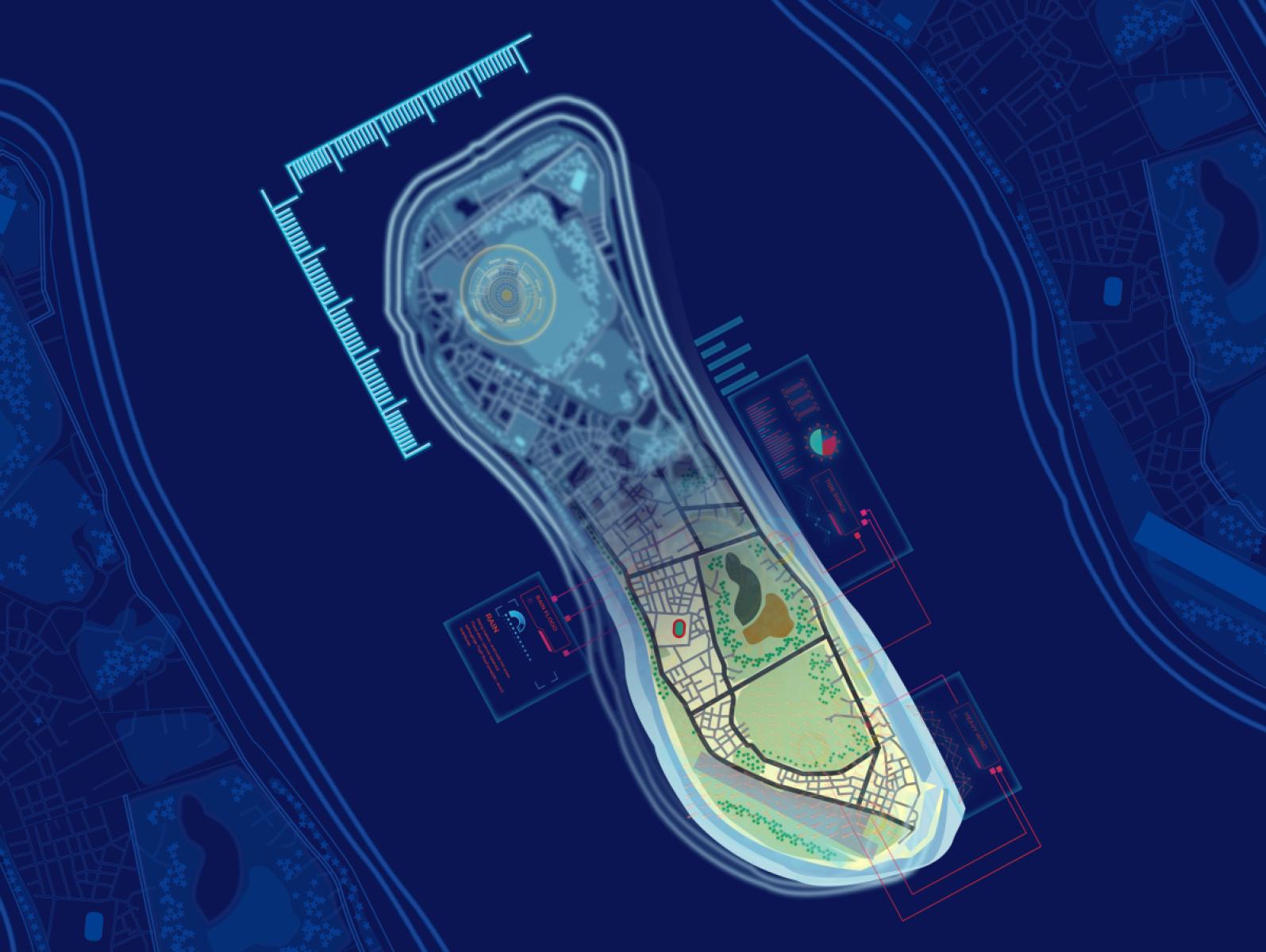
In this component the project will support the establishment of a shared data platform to enhance data-driven planning and policymaking for climate adaptation and resilience. The data platform will enable policymakers and other interested stakeholders to more easily, share, analyze, and visualize climate-relevant information and that related to the status and management of critical natural resources, by leveraging digital tools and technologies. Given the country’s significant vulnerability to the impact of climate change, being able to better monitor and generate insights about changes in its natural environment will be critical to mitigate the economic and human impact of climate change and to develop effective adaptation strategies. Monitoring and managing the health of marine ecosystems, such as coral reefs, is especially important for Maldives given their role in protecting coastlines from storms and erosion, in preserving people’s livelihoods as a source of food and income, and in continued growth of the tourism sector. The data platform can also be linked with early warning systems to circulate weather information and enhance disaster management. With this information, islands/atolls can deliver timely warnings to communities at risk of climate impact events.
3.1 Establishing a climate data platform
The subcomponent will provide TA and necessary equipment for the design, establishment, and operationalization of a climate data platform, which will bring together multiple sources of climate-relevant data and facilitate easier data-sharing and re-use across public, private, and non-governmental entities. To support the design and launch of the platform, the project will finance an assessment of existing climate-relevant data across government institutions and appropriate platform design and technology solutions; implement capacity building related to stakeholder coordination and maintenance; and provide TA to support the development of a climate data model to further promote the re-use of data for policymaking and climate action. It will also invest in relevant software and hardware for the operationalization of the shared climate data platform, which will be based on a modern, modular, and scalable architecture. The platform will be able to aggregate, process, and visualize relevant data captured through different technologies and from various sources, such as aerial, underwater and satellite imagery, Internet of Things devices, and various fixed and mobile sensors. It will also include a data exchange hub, to facilitate data sharing across multiple entities. The data will be sourced from existing databases maintained by MoTE, public and private sector entities and through new data collection partnerships and approaches (see subcomponent 3.2).
The data platform will directly contribute to the implementation of climate change adaptation and mitigation measures in the NDC and enable government and businesses to make more informed decisions in managing natural resources and protecting critical resources, such as coral reefs. It will, inter alia, support the development of monitoring, reporting, and verification for emission reduction efforts under the NDC, help track upstream greenhouse gas emissions from strategic products and commodities to properly inform the market and investors. Furthermore, improved data and related insights will help both public and private sector entities to better monitor and optimize investments and operations, e.g., in the energy and construction sectors. For example, by contributing data for the operation of a smart power grid or by making it easier to assess the impact of and to monitor harbor- and bridge construction projects, it will engender more sustainable operating practices and solutions in the medium- to long term.
MOTE
Stakeholder
1
Activity
0% Completed
Activity 3.1.1
Providing technical assistance and necessary equipment for the design, establishment, and operationalization (including maintenance) of a shared data platform to enhance data driven planning and policy making across government institutions for climate adaptation and resilience.
26% Completed
3.2 Leveraging digital technologies and tools for climate adaption
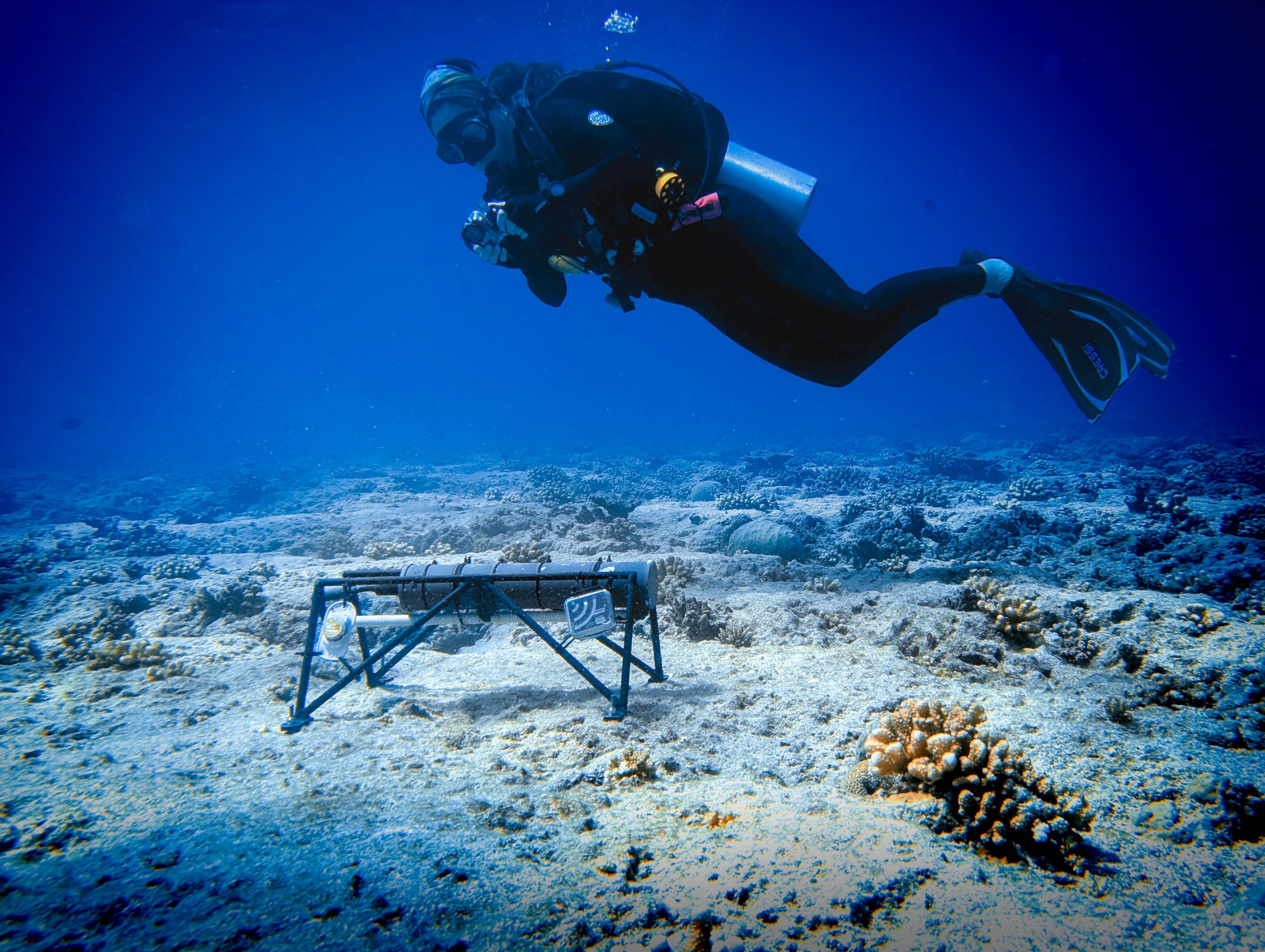
The data platform will be complemented by a pilot featuring state-of-the-art digital technologies and tools to collect and analyze data related to climate-critical ecosystems. Emerging technologies such as unmanned aerial or underwater vehicles (also known as drones), robotics, three-dimensional laser scanning, and satellite imagery offer opportunities for new modes of data collection across large geographic areas. Combined with AI and advanced analytics, such data can produce actionable knowledge for government and the private sector to assess risks, minimize and mitigate harm to critical ecosystems, including coral reefs, and livelihoods, and aid restoration efforts. They can, for instance, contribute to more accurate weather modelling and help generate improved insights for disaster risk management or inform the preparation, screening, and monitoring of Environmental Impact Assessments, which are mandatory for many investment projects,12 promoting data-driven decision-making and timely action to preserve and protect affected communities, marine life, and natural resources. To support these efforts, the subcomponent will finance equipment, software, technical advisory and consulting services, as necessary, to undertake new data collection and related analysis with a focus on coral reef health and restoration and other data relevant for disaster risk management and early warning systems. To maximize the impact of the climate data platform, most data processed by the platform will be made publicly available and re-use of the data will be further encouraged through partnerships with educational institutions and the private sector, for example, via hackathons and data collection and analysis trainings.
MOTE
Stakeholder
1
Activity
0% Completed
Activity 3.2.1
Supporting a pilot data collection initiative featuring state-of-the-art digital technologies to collect and analyze data related to climate-critical ecosystems to support monitoring, restoration, and analysis of disaster risk.


77% Completed